


Upholstery Cleaning
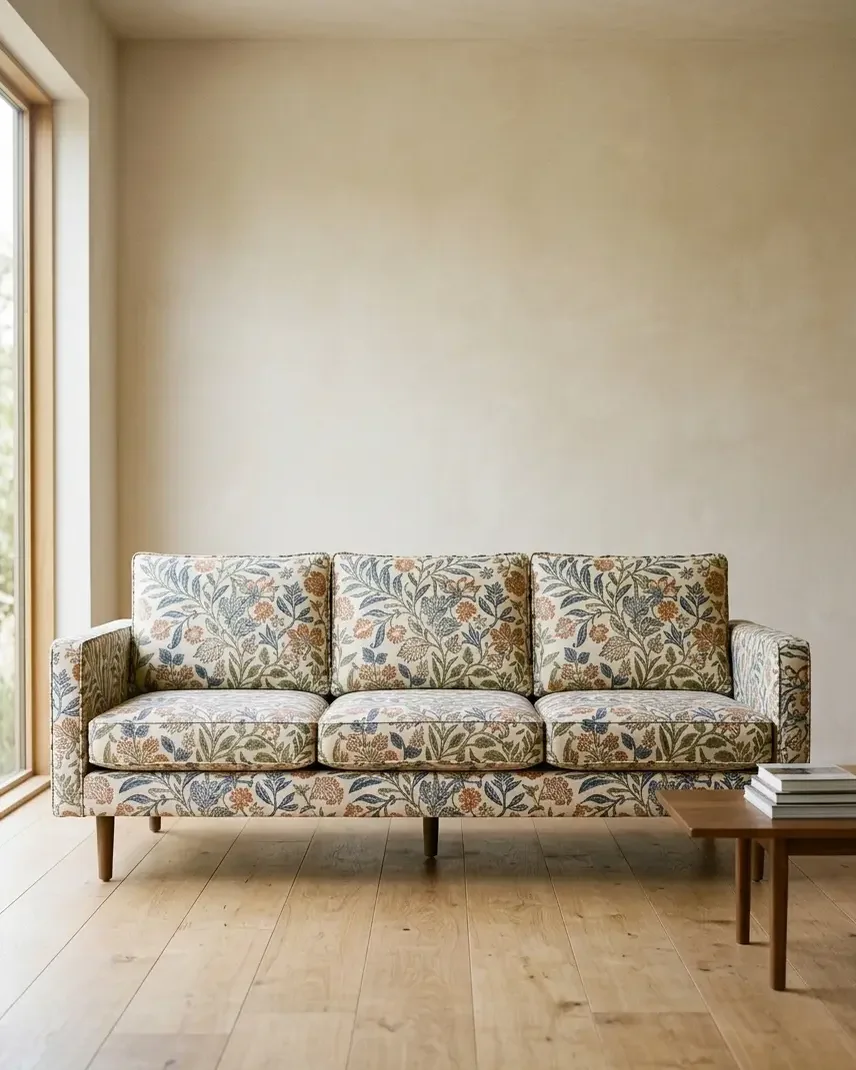
Sofas, sectionals, armchairs and headboards. Cleaned down to the fiber without soaking the frame underneath.
- $129
- 1 to 3 hours
- 6 to 24 hours

How it reads afterward
- Dry, not damp
- Low moisture and real airflow, so the cushion does not hold a cold spot for two days.
- Soft, not crunchy
- No detergent left in the weave. That residue is what makes cheap cleaning feel stiff a week later.
- Quiet, not perfumed
- The room smells like the room again. Nothing sweet, nothing masking.
Every booking includes
- Fiber test on a hidden seam before anything else happens
- Dry soil removal, then hot water extraction at the temperature the fabric can take
- Cushions, arms, back panels and the seams in between
- Deodorizing pass, fragrance-light
- Airflow set up before we leave
What we expect to find
-
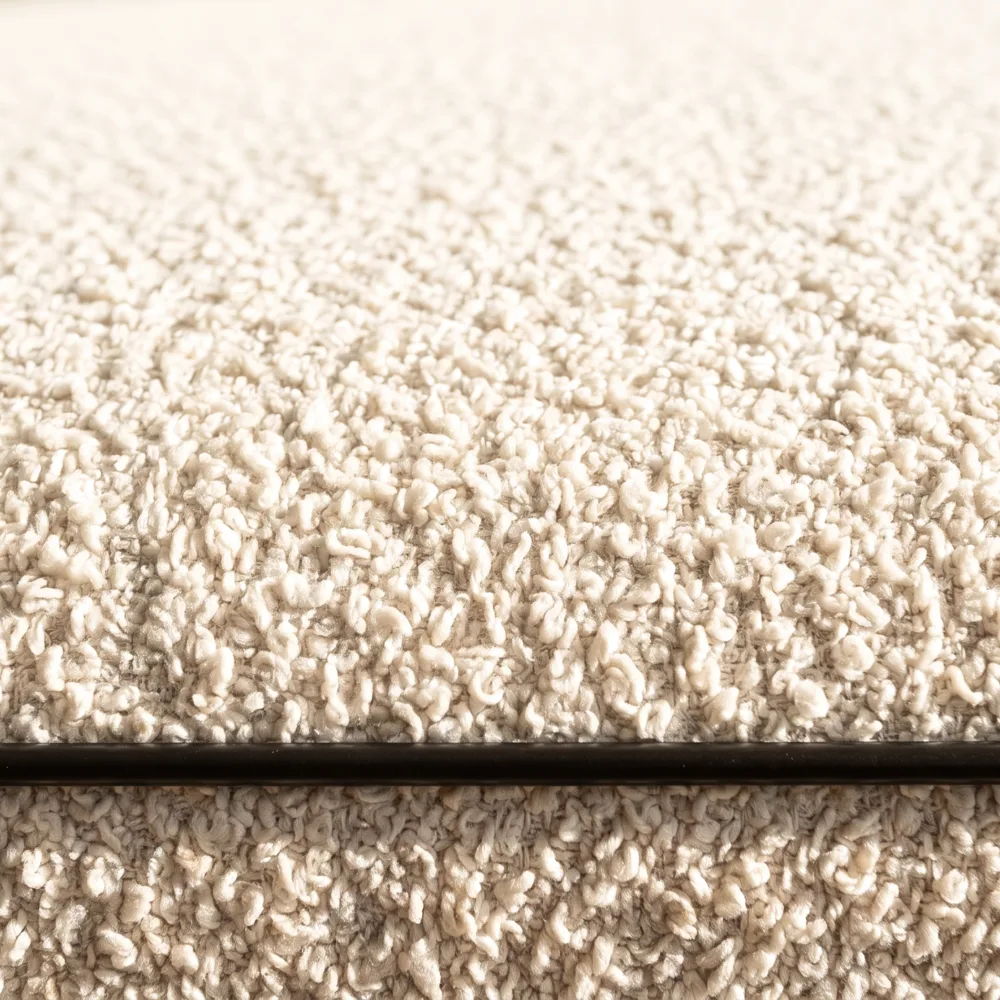
Bouclé
Loops catch everything and forgive nothing. Too much suction pulls the pile, so it gets low agitation and a long, patient dry.
-
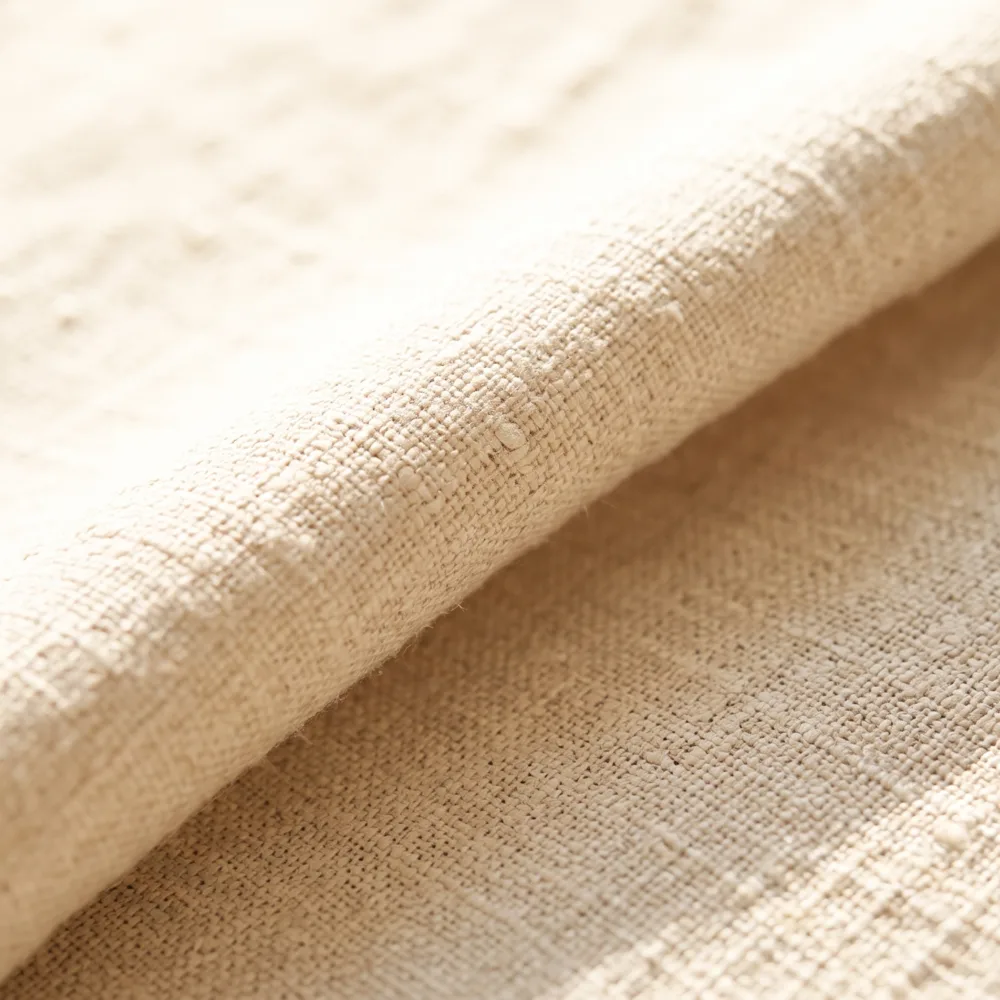
Linen
It drinks water and remembers the ring. Cleaned edge to edge, never spot to spot, or the watermark becomes the new stain.
-
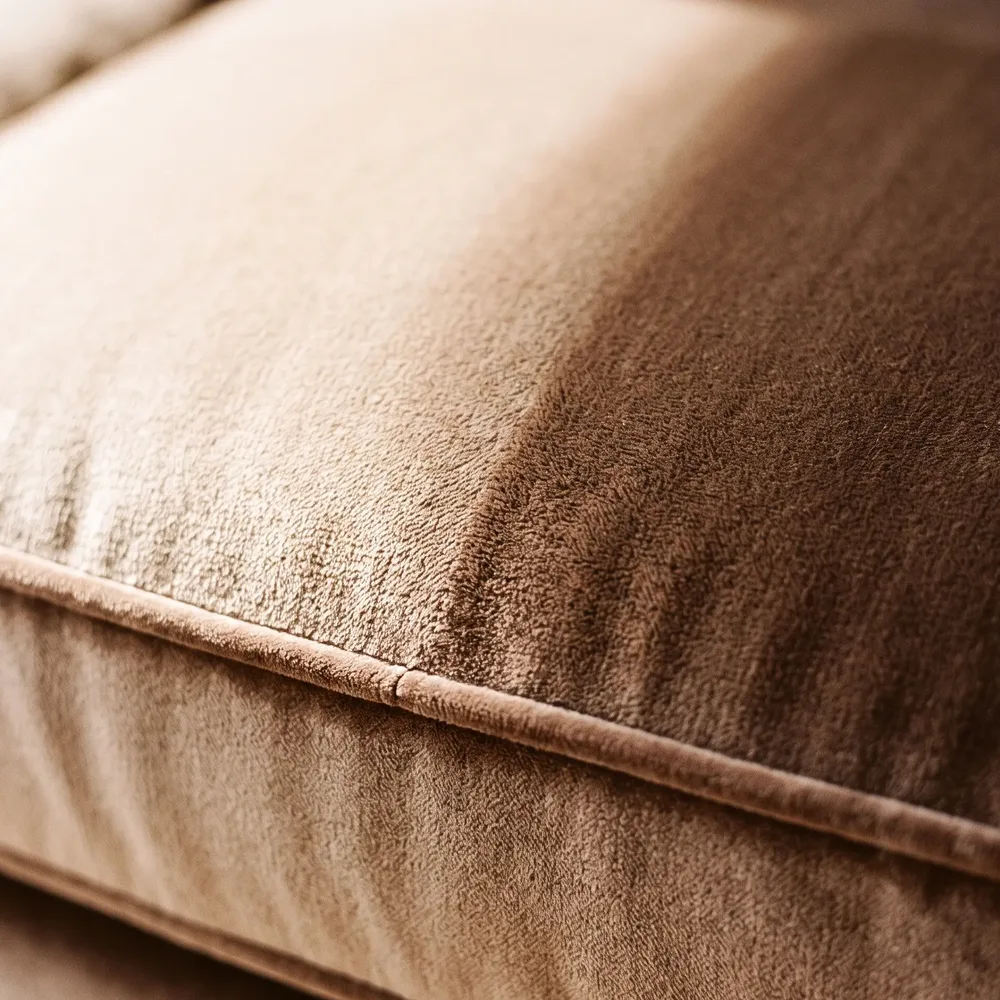
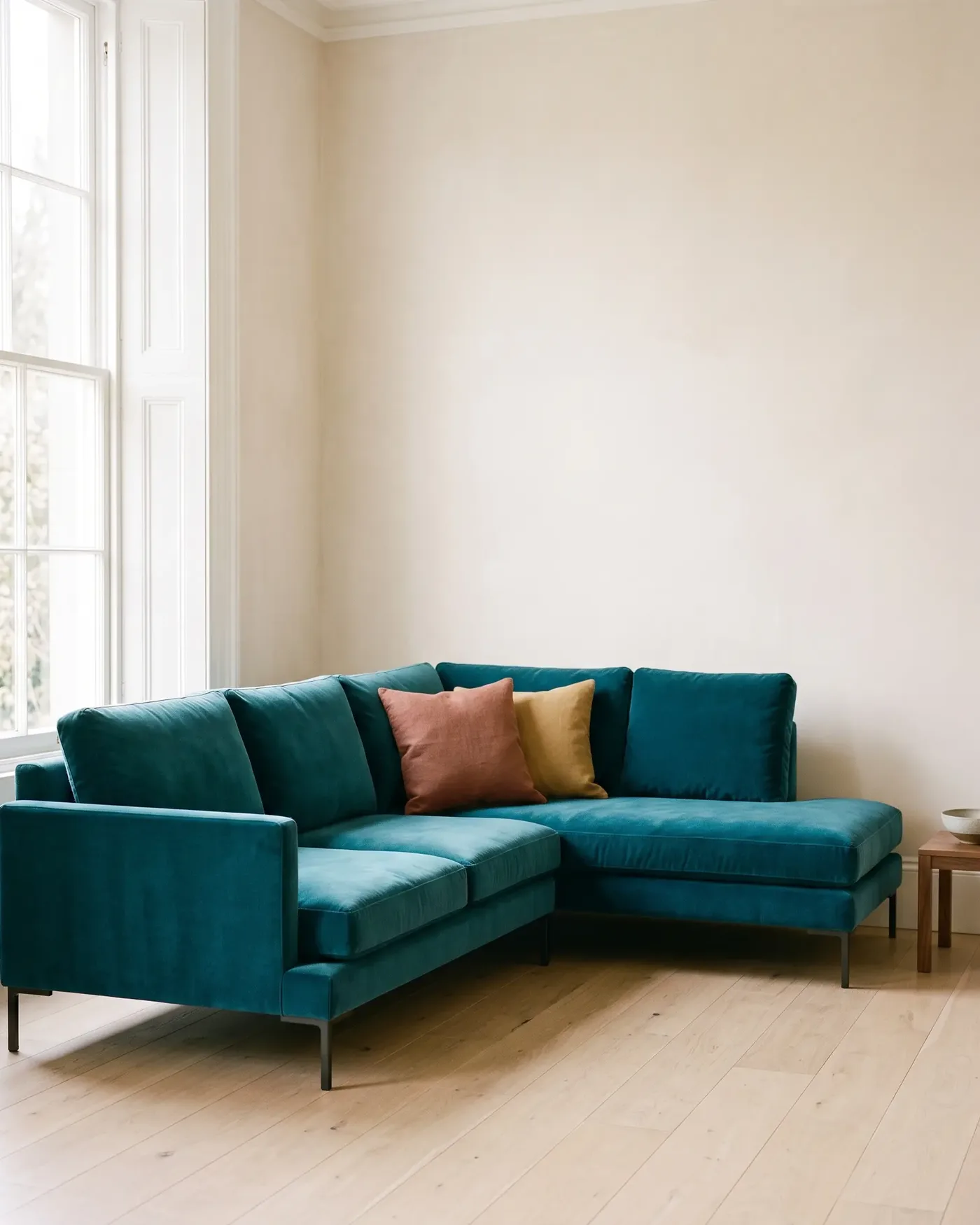
Velvet and velour
The pile has a direction and it holds the light. Brushed back the way it was woven, otherwise the seat keeps a shadow that looks like dirt. Velour is the same pile on a knitted ground, so it moves more and marks faster.
-
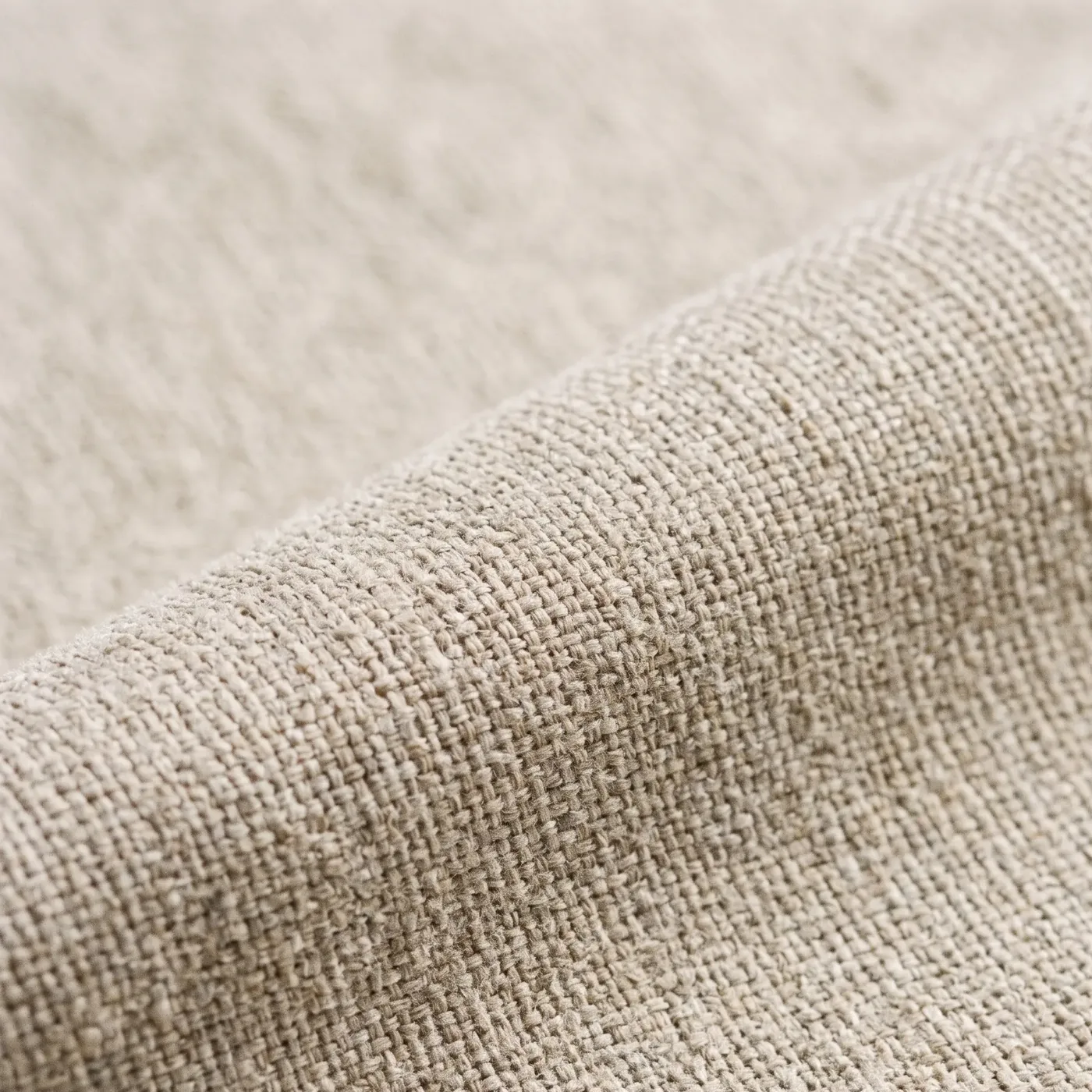
Polyester
Covers most of what a sofa is made of now, microfiber included. It forgives water and holds oil, so the work is on the greasy marks a household stops noticing.
What moves the price
No calculator, and no price that changes on the doorstep. We look at three things.
- Size
- A three-seat sofa is the base. Sectionals, chaises and anything with a sleeper mattress inside take longer.
- Fabric
- Velvet and linen are slower and more careful than a performance weave. The fiber sets the method.
- What happened
- Pet urine is a different job from a stain. It is treated at the padding, not at the surface.
We name the final number in writing before we drive over. If something on site changes it, you hear that before we start.
Things worth adding
Tick any of these when you book the upholstery cleaning and we bring what is needed. Nothing here is required, and nothing gets added on the day without you saying so.
- Fabric protection
- A protective treatment applied while the piece is still warm, so the next spill sits on top of the weave instead of soaking into it.
- Assisted drying
- Air movers left running after the clean. Cuts the 6 to 24 hour window down substantially, which matters if the room has to be usable tonight.
- Pilling removal
- The little bobbles that make good upholstery look tired get shaved back by hand. Cosmetic, and it changes how a piece reads more than a clean alone does.
- Furniture moving
- Heavy pieces shifted so the areas underneath can be reached, then put back where they were.
An afternoon, start to finish
- 01
We look first
Fiber, filling, stitching and the stain itself. Velvet, linen and a wool rug all want different water, heat and chemistry, so nothing gets touched before we know what it is.
- 02
We clean warm, not harsh
Water extraction, warm rather than harsh, matched to what the piece is made of. A burn test tells us the fiber before anything wet touches it, because cotton, linen and viscose will not forgive a strong solution.
- 03
You get the room back
Upholstery and mattresses dry in 6 to 24 hours, depending on the fabric and how soiled it was. We open the airflow before we leave, and air conditioning moving through the room cuts that time sharply.
Most people call us a season late
-
When the room is clean and still feels tired
Vacuuming reaches the surface. What makes a room feel heavy is what sits down in the weave, and that comes out in an afternoon.
-
Before people come to stay
Book the week before, not the day before. Upholstery needs an afternoon and rugs need a night.
-
At the end of the season
Salt air and humidity work on fabric all summer. A reset in the fall is what keeps a good piece good.
Nothing goes on your sofa without a name
Every product we carry is licensed for use in Florida homes and chosen for low residue, because residue is what pulls dirt back into a weave two weeks after a clean. Ask on the day and the technician will tell you exactly what is going onto the piece, and why that one and not another.
- Low-residue chemistry, so the fabric does not re-soil faster after cleaning
- Every product named on request, before anything is applied
- Ventilation kept open while we work, and the room handed back dry
- A hidden-seam test before any product meets a visible surface
Asked before every booking
Will the color bleed?
That's what the seam test is for. If a fabric is not safe for water, we say so before we start and either switch to a solvent method or tell you straight that it shouldn't be cleaned at all.
Can we sit on it that evening?
Plan on the next day rather than the same evening. Dry time runs 6 to 24 hours depending on the fabric, how soiled it was and the humidity, and air conditioning moving through the room is what shortens it.
Is it safe around a baby or a dog?
We keep the room ventilated while we work, and we ask that children and pets stay away from the equipment and the hot water during the visit. Cleaning solutions are not something to be around wet, which is the real reason we care about the drying window.
Same visit, same crew. The two pieces you actually spend your life on.
If it's not right, we come back
Once the job is complete, we'll walk you through the results. If anything isn't quite right, we'll correct it at no additional cost within our 7-day service guarantee.
No charge for the return visit, and no argument about whether it counts.
Hollywood, Fort Lauderdale, Wilton Manors, Victoria Park, Deerfield Beach, Boca Raton, Delray Beach, Boynton Beach, Lake Worth, West Palm Beach and the rest of Broward and Palm Beach.
Book your upholstery cleaning
Tell us what needs attention. We reply with a firm price and two times that work, usually the same day. 10% off your first service, or a free protector treatment on one piece.
Some stains do not come out. A spill can change the fiber itself, and no method reverses that. It happens most on natural weaves, and on viscose and wool in particular, where the mark left behind is the fiber, not the dirt on top of it.
We tell you what to expect before we start, not after. Then we use the best professional products we have and take the piece as far as it goes.